2026 Redistribution Fund - What We Learned -
2026 Redistribution Fund - What We Learned -
We believe the arts community should see what we see. That’s why we’re publishing what 223 applications to our first Redistribution Fund revealed about metro Atlanta’s arts ecosystem, and what we plan to do with it.
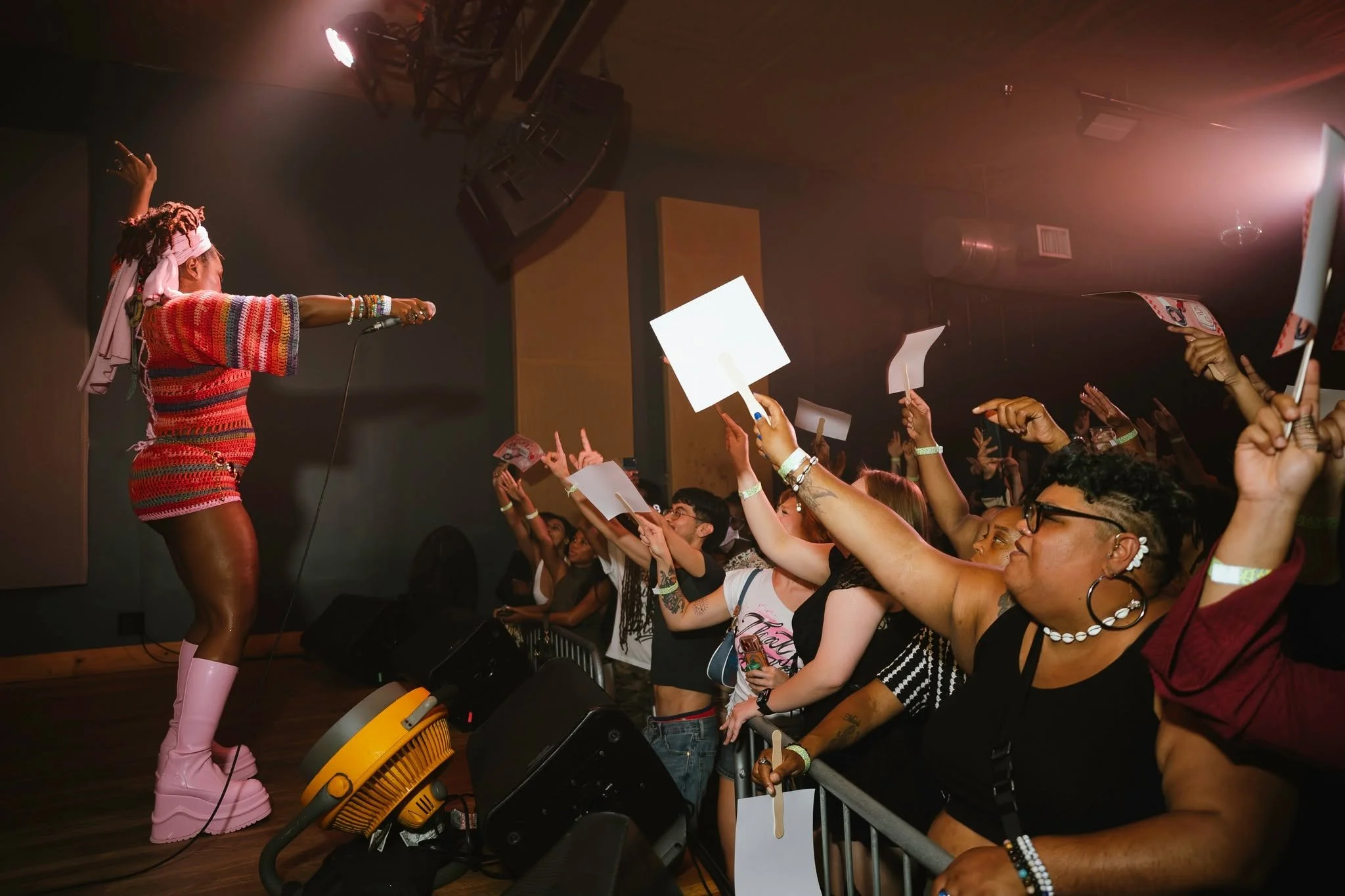
Southern Fried Queer Pride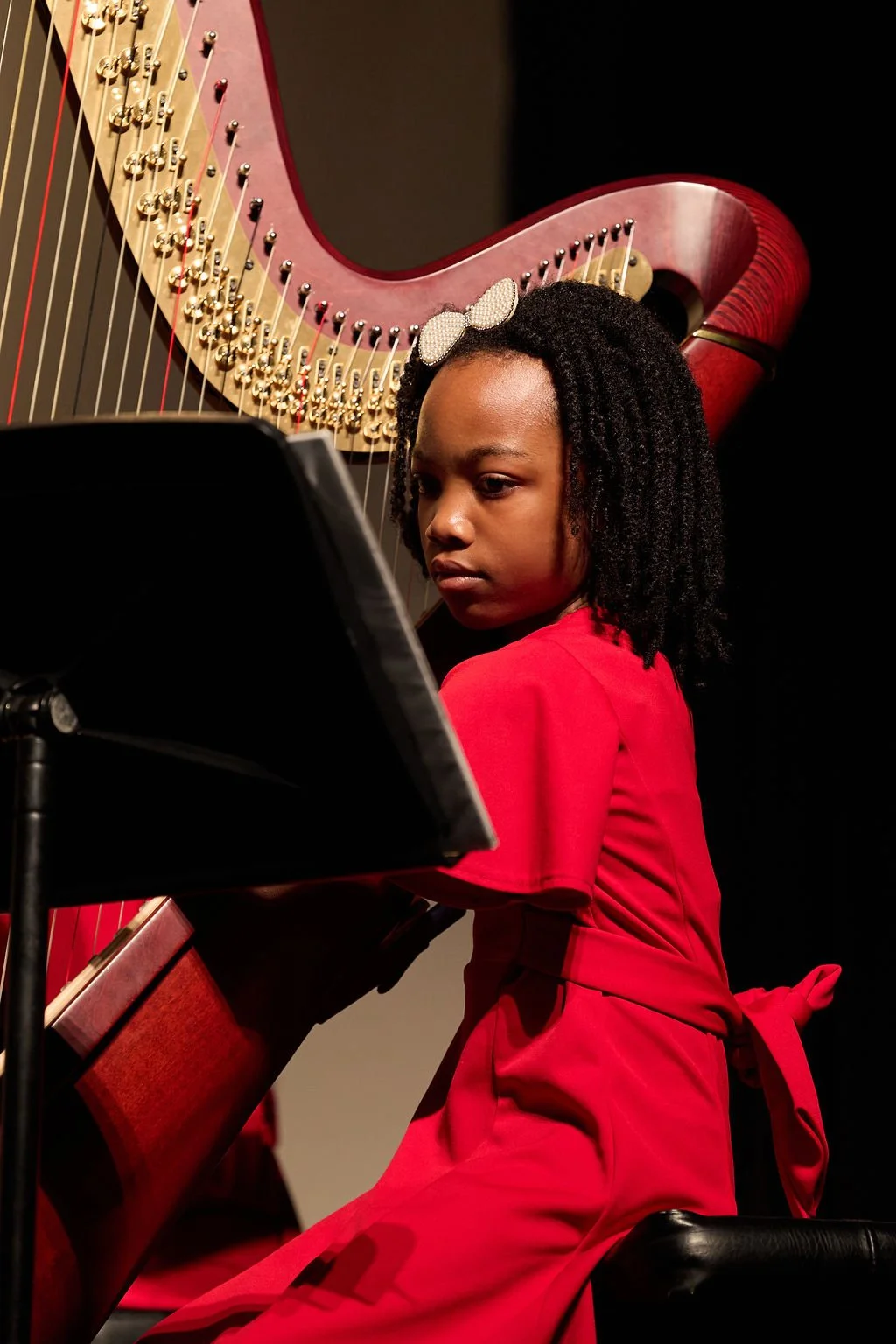
Urban Youth Harp EnsembleWho Applied to the 2026 Redistribution Fund
In October 2026, 223 arts organizations from across metro Atlanta applied to Arts Capital | Atlanta's first Redistribution Fund. Together they spend about $115 million a year presenting theater, music, dance, visual art, film, literature, and traditional arts, and they shared details about more than 650 public programs from the past two seasons.
The applications also give us something the region has rarely had: a broad, current picture of the organizations that make up our arts ecosystem. More organizations applied than we estimated were operating in the region, most of them are small, and many were reaching out to Arts Capital | Atlanta for the first time. This page shares what we learned.
A sector of small organizations
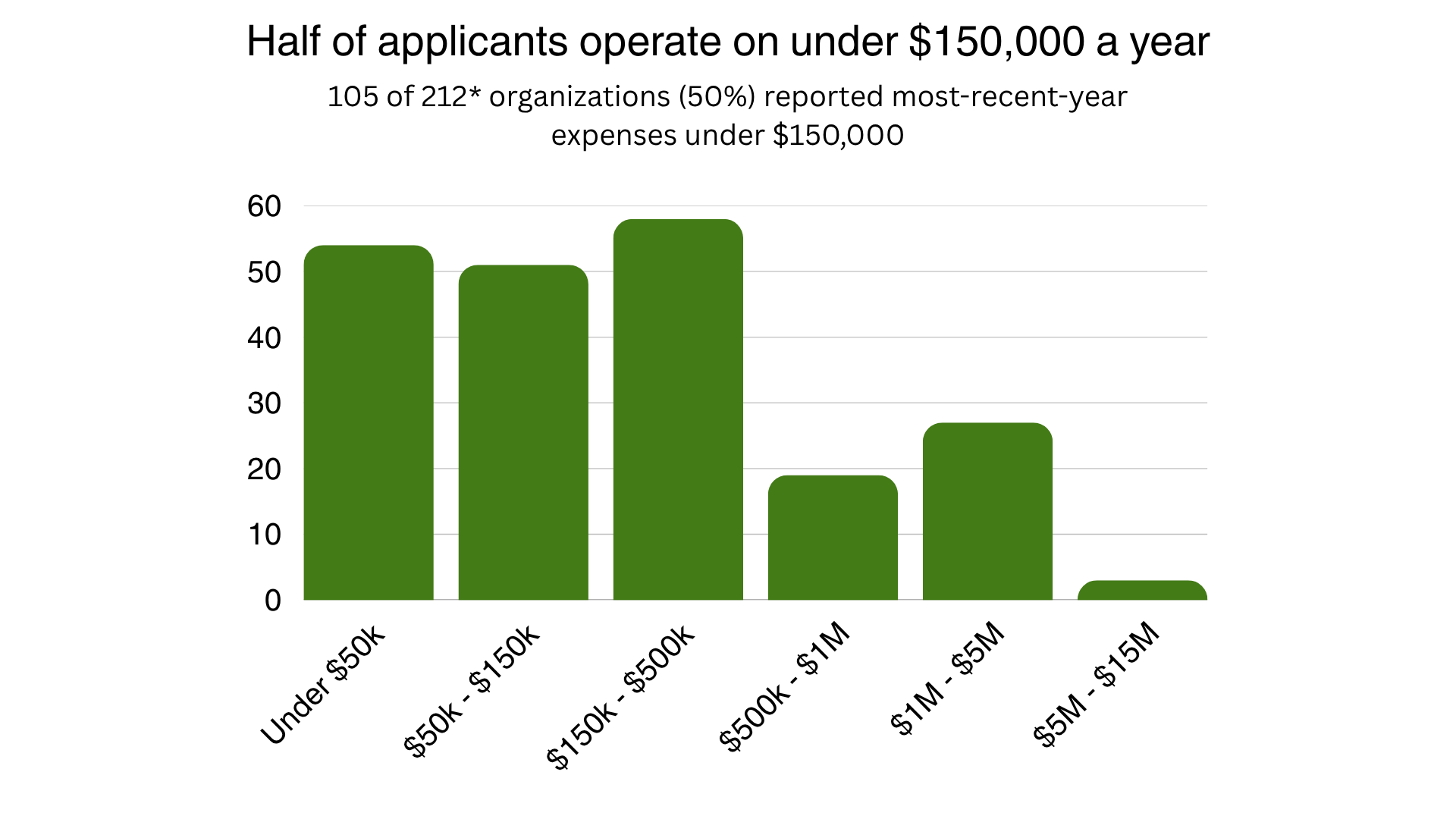
The typical applicant spends about $153,000 a year. A small number of established institutions account for a large share of the region's arts spending: the ten largest applicants spend 43% of the combined total, while the smaller half of applicants together spend about 5%. For most organizations in this pool, an unrestricted award of a few thousand dollars is a meaningful part of the year's budget.
Concentrated in the urban core
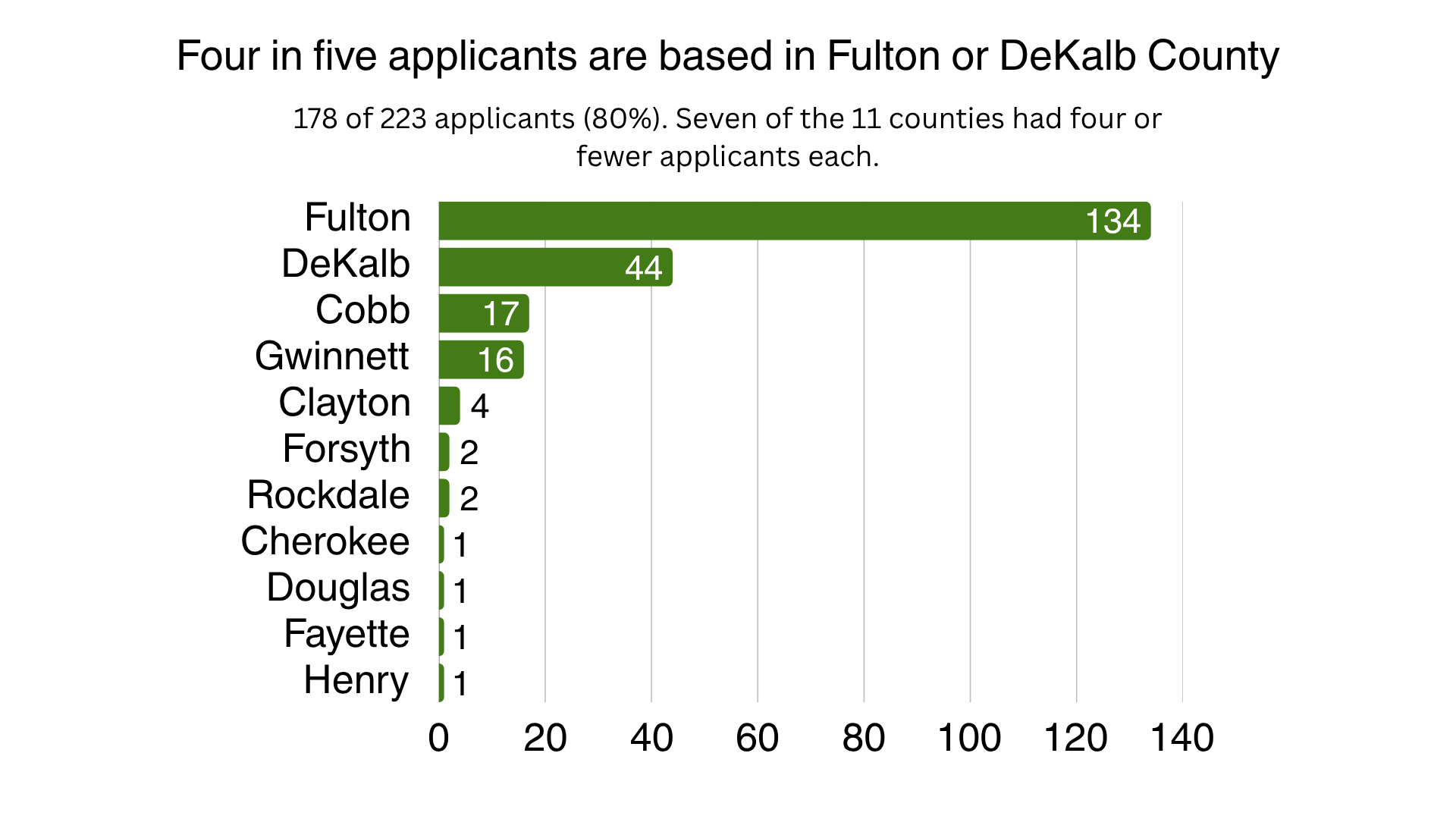
Applicants' programs follow the same pattern: most of the venues they listed are in Fulton and DeKalb counties, and Henry County had none. The fund serves all 11 counties of the Atlanta Regional Commission precisely because most local arts funding stops at city and county lines. Everything we know about the region suggests there are simply far fewer arts nonprofits in the outer counties. That makes it all the more important that the ones there know about the fund and have a voice in shaping it, and we will be reaching out to arts organizations in those counties before the next cycle.
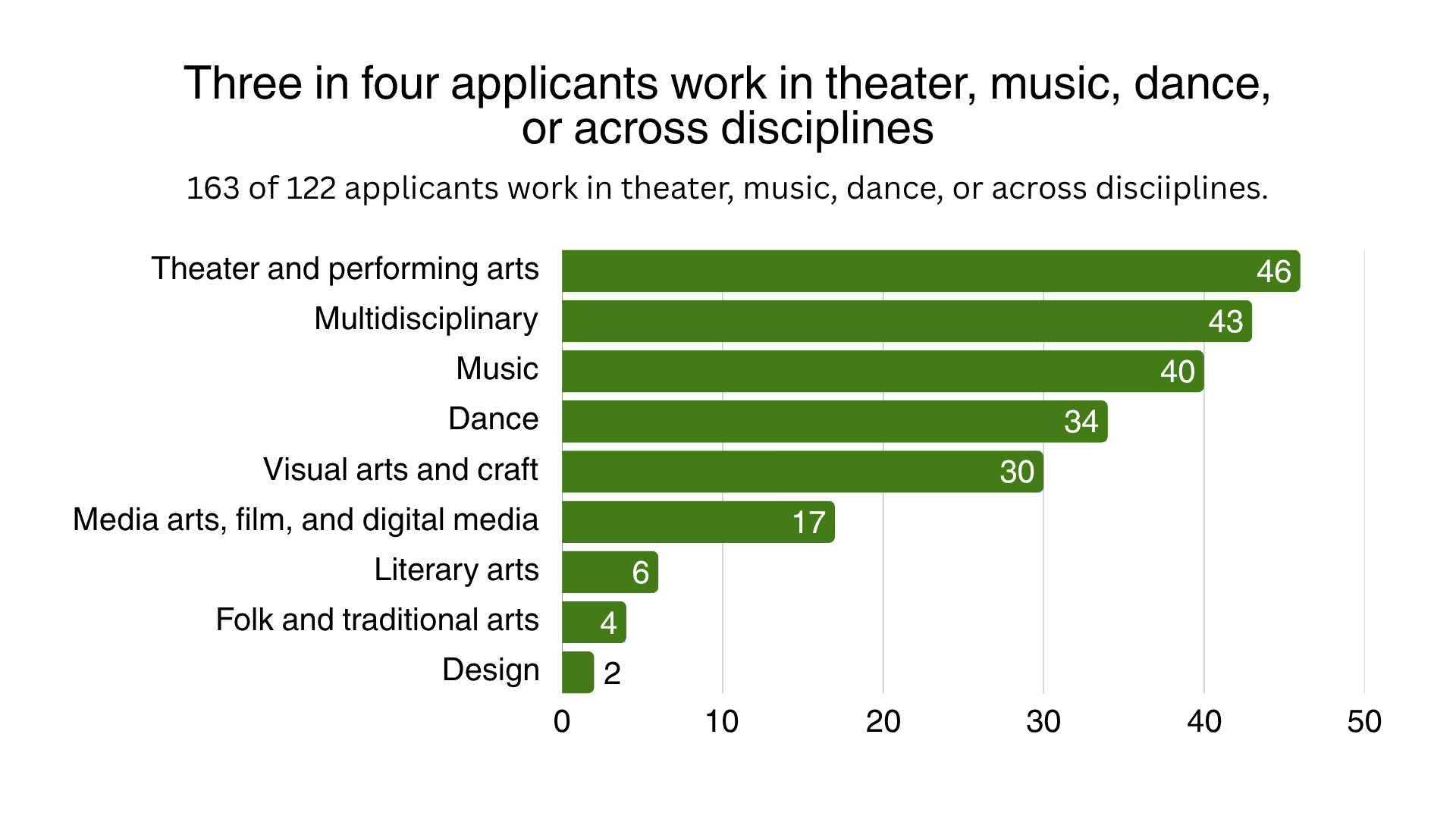
What applicants make
Literary and folk and traditional arts were the least represented. That may reflect the size of those fields, or the fact that many writers and tradition bearers work as individuals or informal groups rather than as nonprofit organizations. It is a gap we want to understand better.
Growing, and stretched
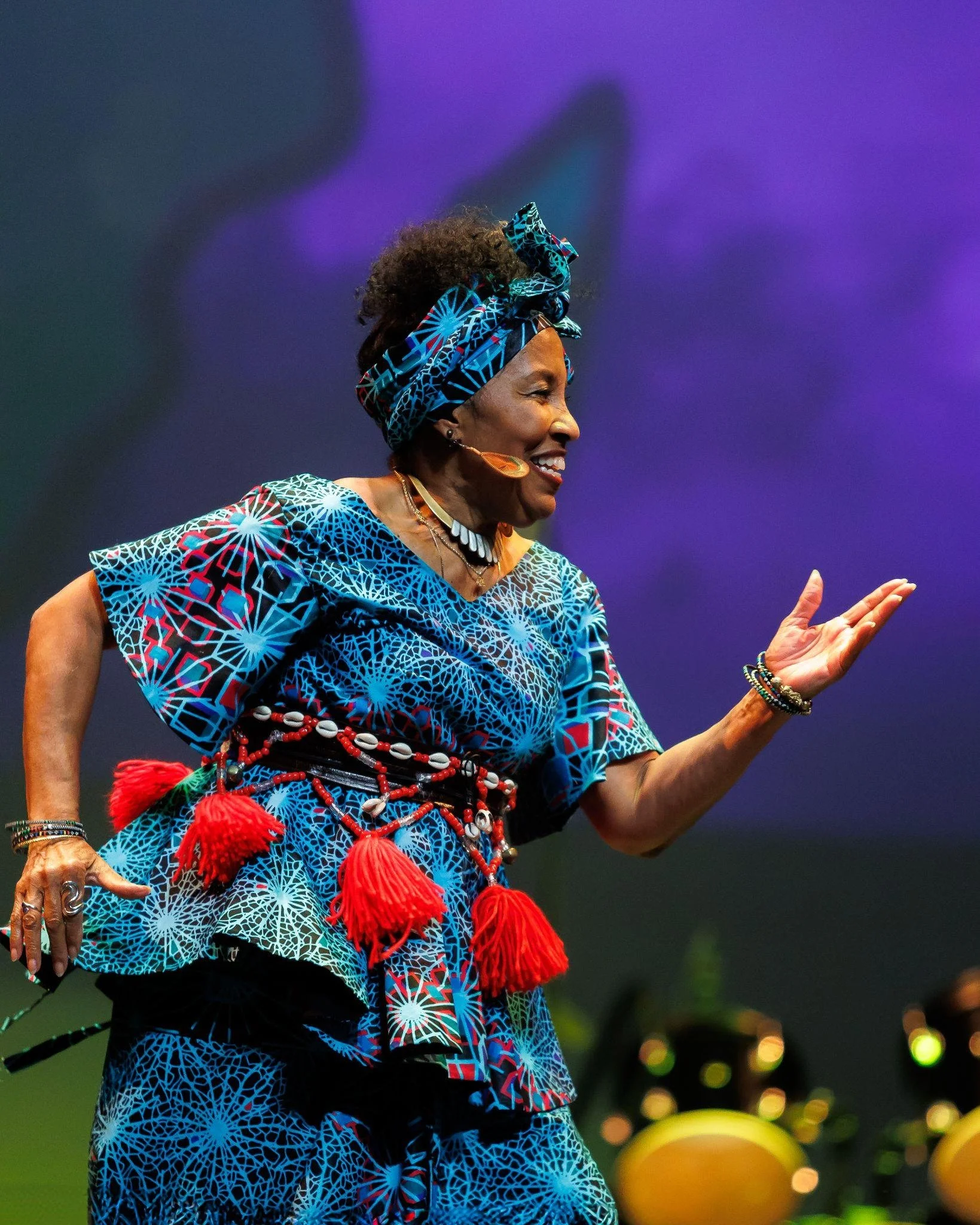
Djoli KelenApplicants are both established and new. About a quarter received their nonprofit status or fiscal sponsorship before 2000, and another quarter in 2020 or later. Most are lean: the typical board has eight members, and about one in four has five or fewer.
Many are growing. Six in ten increased their spending over the prior year, by about 7% at the median. But growth comes with strain. Nearly four in ten applicants ran a deficit in their most recent fiscal year, and that was slightly more common among larger organizations than smaller ones. In their own words, applicants most often described the pressures of rising rent and space costs, thin reserves, and dependence on a small number of grants. A handful described losing federal funding.
The timing of grant payments was a recurring theme. Several applicants described deficits caused by delayed payments of grants they had already been awarded, including public grants, and others described revenue that arrived in a different fiscal year than the work it paid for. For a small organization with thin reserves, a grant that arrives months late can mean a deficit even when the funding is secured.
Three in ten applicants, 66 organizations, were new to Arts Capital | Atlanta. They are considerably smaller than the organizations we already knew, with a typical budget of about $59,000 compared with about $216,000.
Newer applicants were also more likely to fall outside this year's eligibility criteria, often because of the requirements for nonprofit status, years of operation, or financial documentation. That tells us the fund is reaching organizations that other funding doesn't, and that many of them would benefit from clearer guidance and support before they apply.
Reaching organizations for the first time
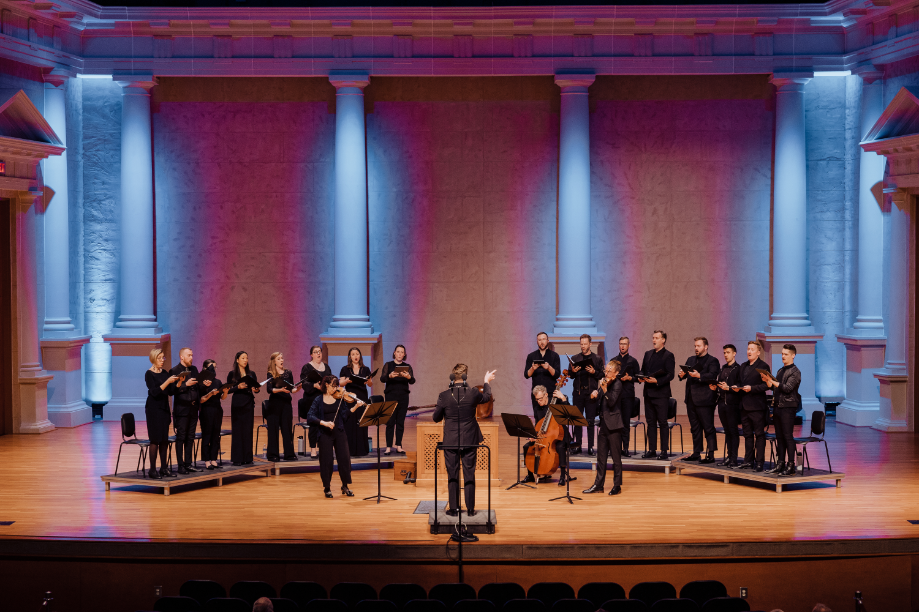
KinnaraWhat comes next
We are currently reviewing applications and will announce awards before the end of the year. This first cycle is a pilot, and what we learned from applicants will shape the next one. Our priorities:
Reach the whole region. Targeted outreach to arts organizations in Clayton, Henry, Douglas, Fayette, Cherokee, Forsyth, and Rockdale counties.
Make the criteria clearer. The Redistribution Committee will review this year's eligibility criteria before the next cycle, and we will publish guidance on the most common reasons applications did not qualify.
Build support, not just funding. Many applicants told us, through their applications, that they need help with financial records, nonprofit compliance, and organizational structure. Those needs will inform the shared services Arts Capital | Atlanta is developing.
Keep counting. Award recipients will help us build a clearer picture of the sector each year through an annual benchmarking survey.
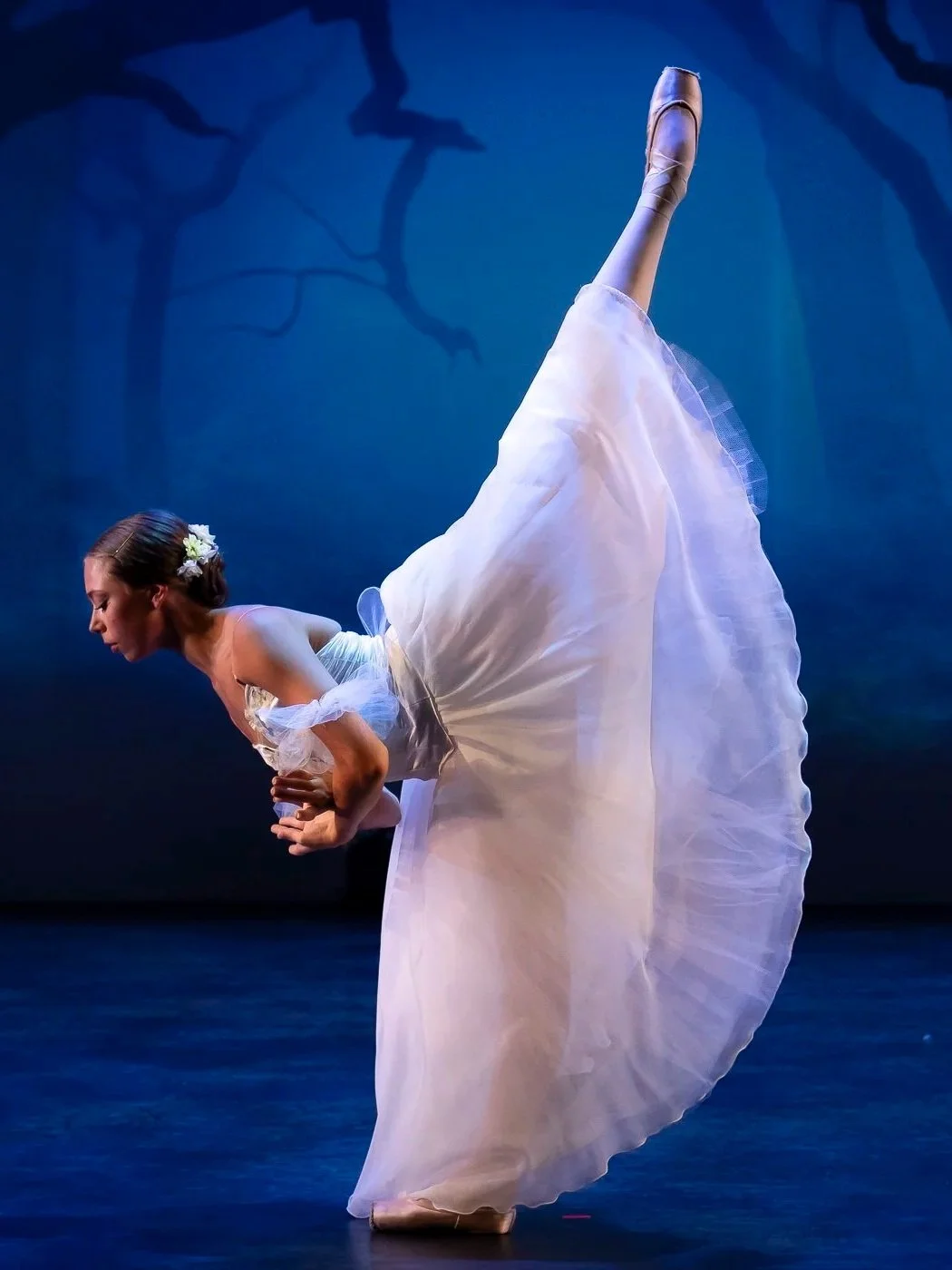
Georgia Metropolitan Dance TheatreAbout these numbers. Figures are self-reported by the 223 organizations that applied between October 1 and 29, 2026, including those later found not eligible, and reflect each organization's most recently completed fiscal year. Some charts include fewer organizations because not every applicant answered every question. All data is shown in aggregate.