Understanding the Metro Atlanta Arts Ecosystem
Learn more about what the data shows — how the arts ecosystem actually operates, where organizations are stretched thin, and which system-level gaps are shaping those realities.

Ecosystem at a Glance
Metro Atlanta is home to a dense and diverse arts ecosystem spanning disciplines, communities, and geographies.
Arts organizations operate across all 11 counties of the metro region, contributing to cultural life well beyond the urban core.
Metro Atlanta Arts Orgs by Primary Artistic Discipline
Across Metro Atlanta, nonprofit arts organizations work in dozens of artistic disciplines. Music, dance, and theater represent the largest clusters, alongside a wide array of visual, literary, film, design, and multidisciplinary practices, illustrating the scale and diversity of the region’s creative ecosystem.
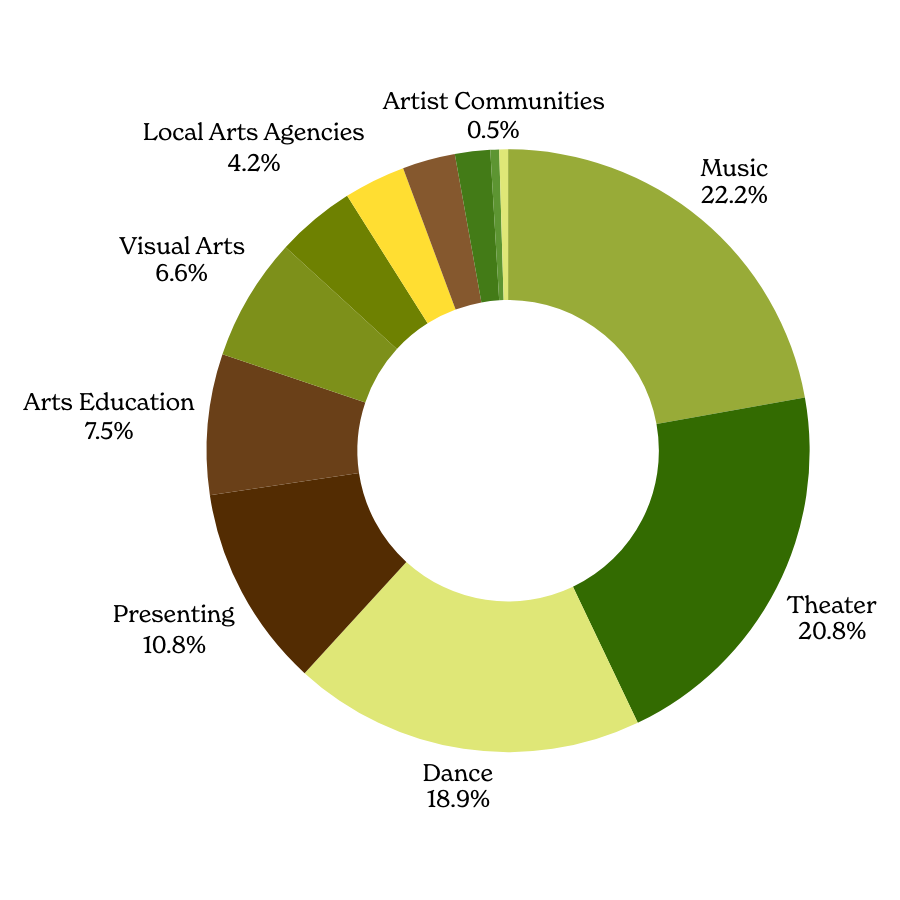
Arts Capital | Atlanta estimates there are approximately 210 operating arts nonprofits in the 11-county metro region with annual operating budgets between $5,000 - $20 million.
What Arts Organizations Do
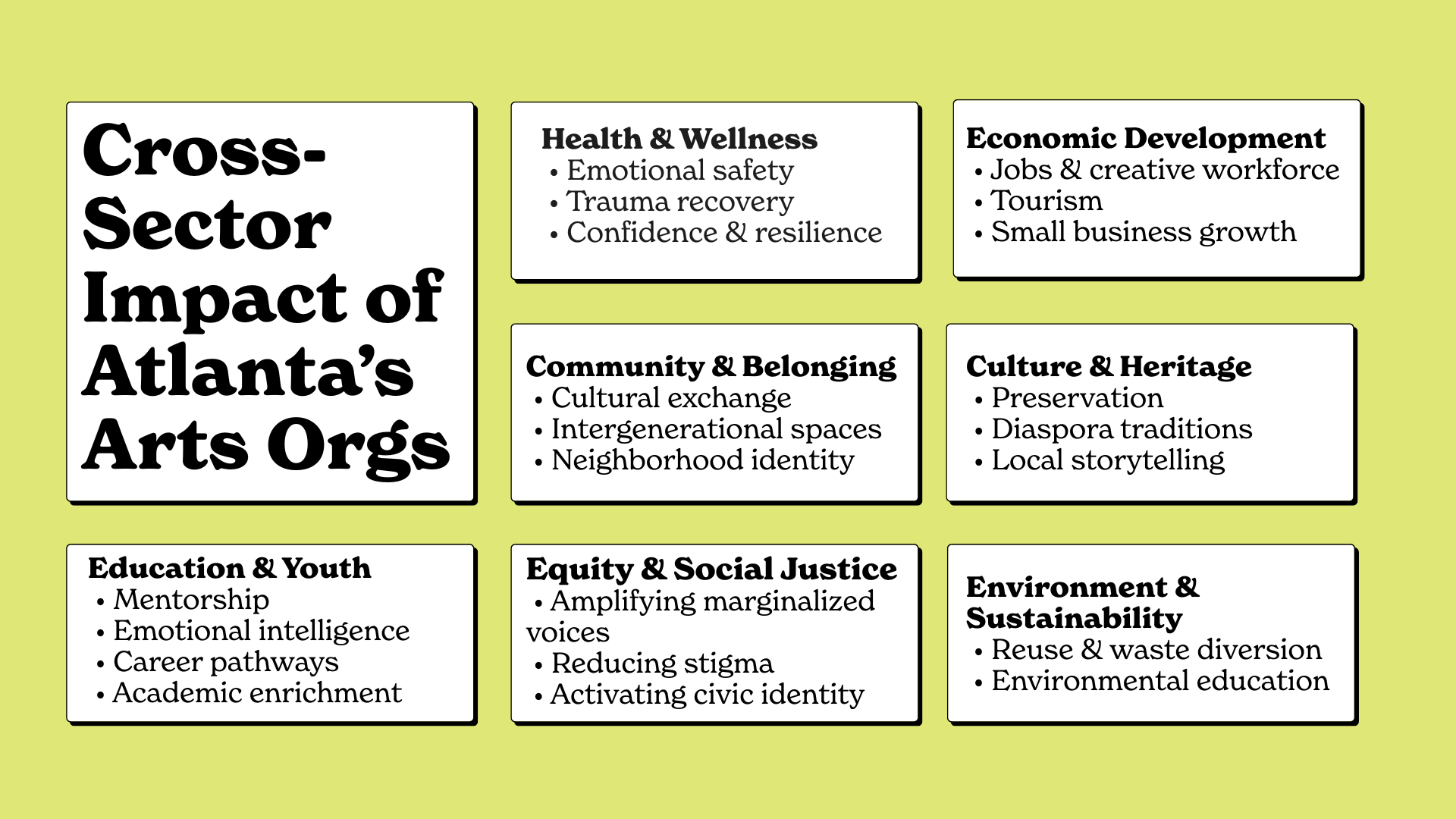
An analysis of mission statements from nearly 210 nonprofit arts organizations shows the arts at work across many dimensions of community life.
From education and workforce development to health, civic engagement, cultural preservation, and neighborhood vitality, these organizations use creative expression to meet social needs and strengthen local systems.
The result is an ecosystem where artistic work and community impact are deeply intertwined.
Size & Scale of the Sector
Metro Atlanta Arts Organizations by Annual Operating Budget
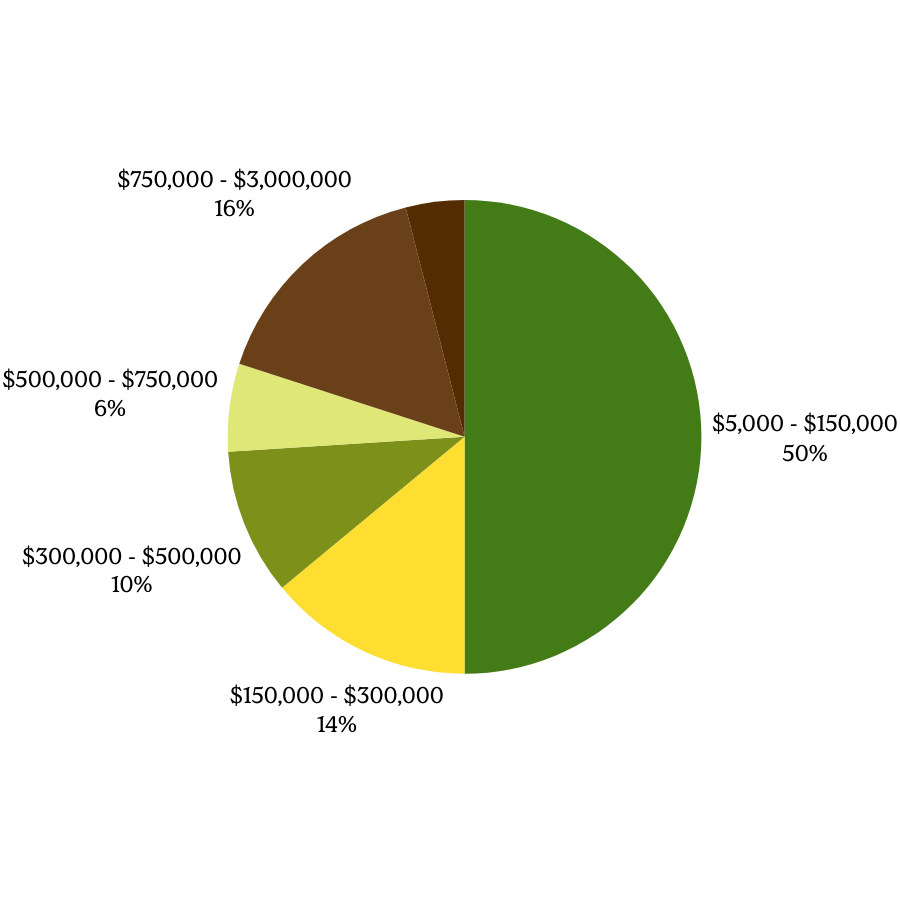
Half of Metro Atlanta arts nonprofits operate on annual budgets under $150,000.
National nonprofit data shows the majority of public charities are small, highlighting that Atlanta’s arts ecosystem is part of a broader ‘long tail’ of small organizations operating with limited scale.
With an annual budget of approximately $130 million, the Woodruff Arts Center alone exceeds the combined budgets of all other Metro Atlanta arts nonprofits (approximately $92 million).
This concentration of resources shapes the local funding, talent, and audience landscape, creating significant competitive pressure for smaller organizations operating with far fewer financial and institutional advantages.
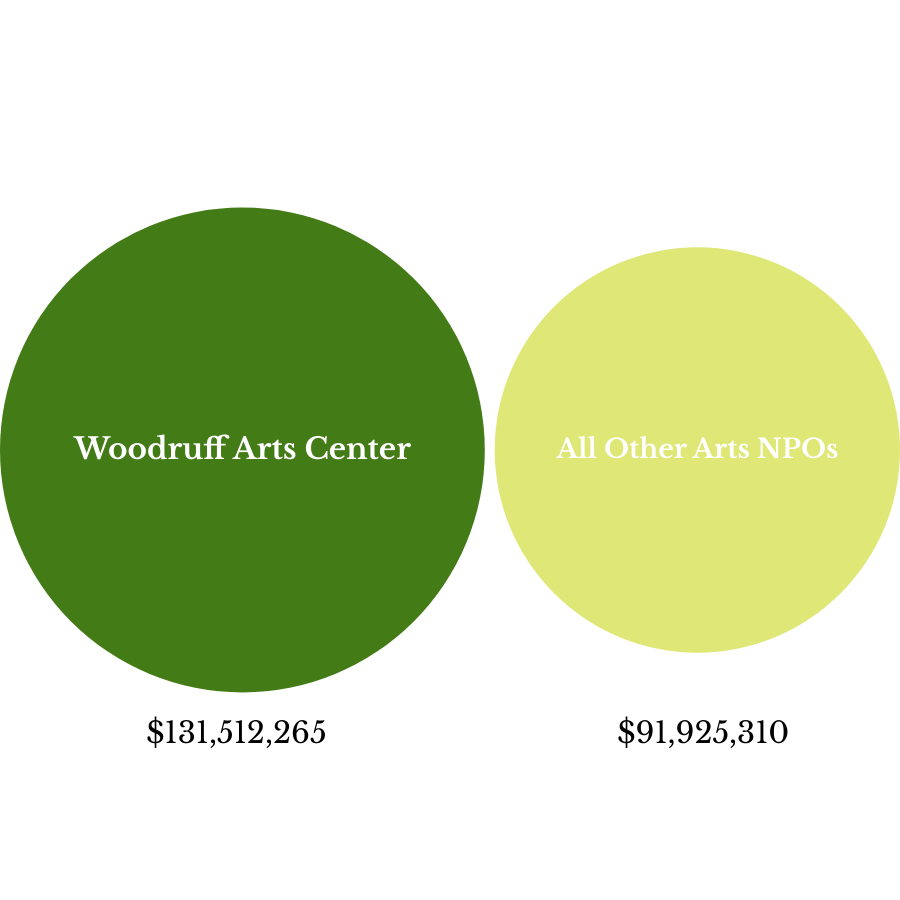
Annual Operating Budgets: Woodruff Arts Center vs. All Other Arts Nonprofits
Public Investment
The national average for public arts funding is $5.44 per capita, while the Atlanta metro receives approximately $1.96 per capita from federal, state, and local sources.
This results in a $3.48 per-person funding gap, equivalent to roughly $18 million annually in unmet public arts investment across Metro Atlanta.
Georgia has ranked for years near the bottom nationally (49th or 50th) for per capita public arts spending.
The National Assembly of State Arts Agencies estimates Georgia will rank 55th among U.S. states and territories, with just $0.14 per person in state arts funding.
Projected Per Capita Legislative Appropriations to State Arts Agencies, Fiscal Year 2026

Available Operating Support Landscape
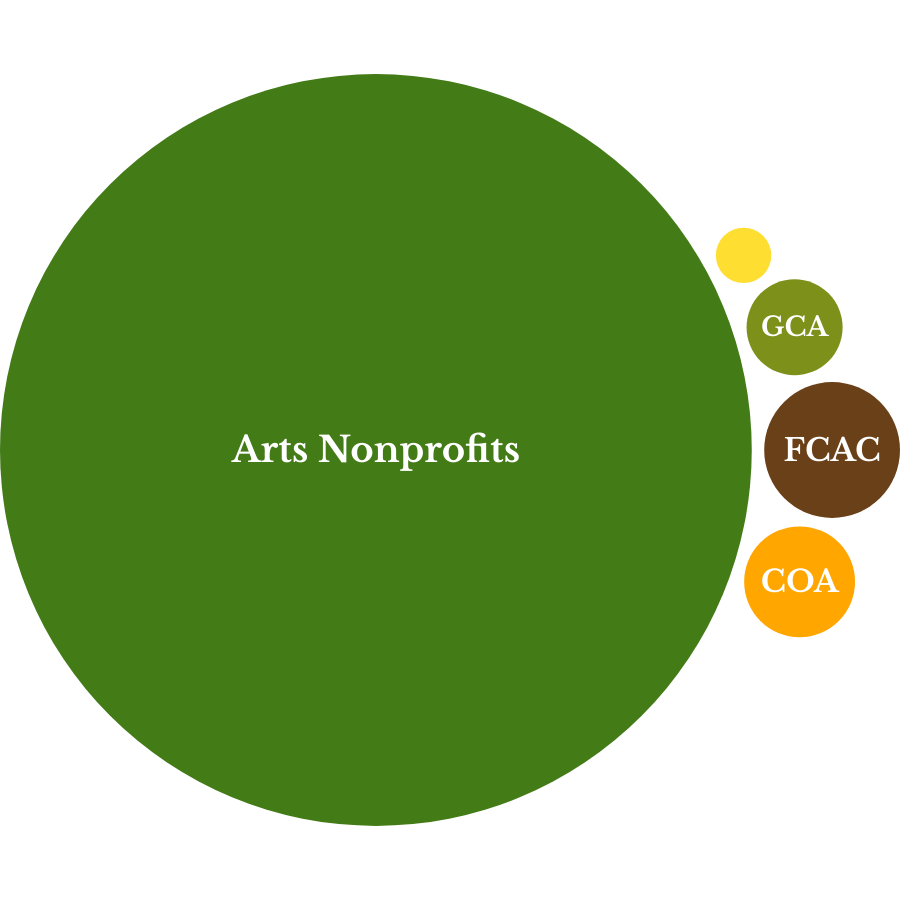
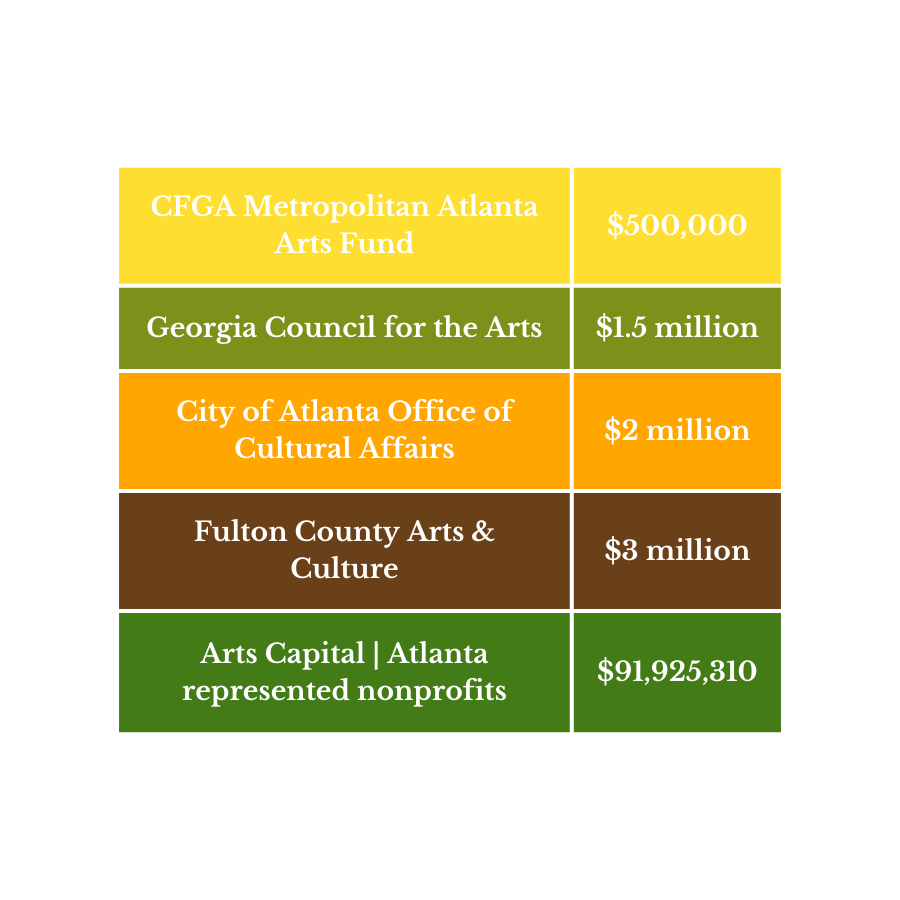
Metro Atlanta arts nonprofits collectively operate on just under $92 million in annual budgets.
By contrast, recurring sources of general operating support total only a few million dollars annually—approximately $500,000 from the Community Foundation for Greater Atlanta’s Metropolitan Atlanta Arts Fund, $1.5 million from the Georgia Council for the Arts, $2 million from the City of Atlanta Office of Cultural Affairs, and $3 million from Fulton County Arts & Culture.
Importantly, many organizations are ineligible for city, county, or community foundation funding due to geographic boundaries, further widening the gap between available support and sector-wide need.
The result is a clear gap between regional need and available, accessible operating support, pointing to the importance of coordinated, metro-wide investment strategies.
Structural Vulnerabilities
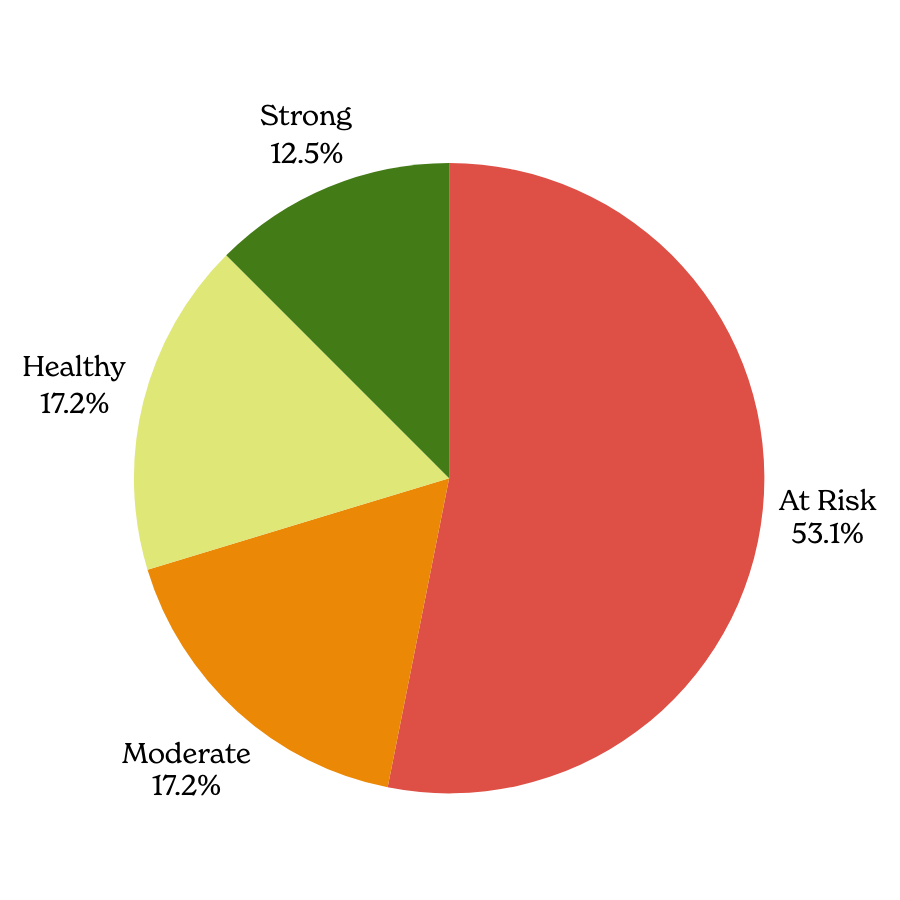
Organizational Health Based on Available Reserves
Operating reserves are unrestricted funds available to cover expenses during revenue disruptions or unexpected costs, providing essential financial runway. Leading practice suggests nonprofits maintain at least six months of operating reserves.
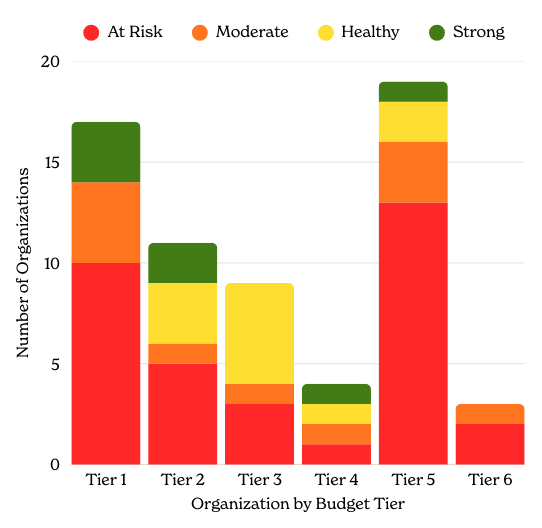
An analysis of Metro Atlanta arts nonprofits shows that most organizations fall into the At Risk (0–3 months) or Moderate (3–6 months) reserve tiers, with far fewer reaching Healthy (6–12 months) or Strong (12+ months).
Reserve levels show no meaningful correlation with organizational age, artistic discipline, leadership demographics, or headquarters location, indicating that financial fragility is widespread and structural rather than a function of individual organizational characteristics.
A recent AC|A survey yielded the following insights on arts organizations’ operating reserves:
-
![]()
No clear correlation between budget size and available reserves
-
![]()
No clear correlation between organization age and available reserves
-
![]()
No clear correlation between discipline and available reserves
-
![]()
No clear correlation between BIPOC/ALAANA leadership and available reserves
-
![]()
No clear correlation between organization headquarters and available reserves




Percent of Metro Atlanta Arts Nonprofits with an Endowment
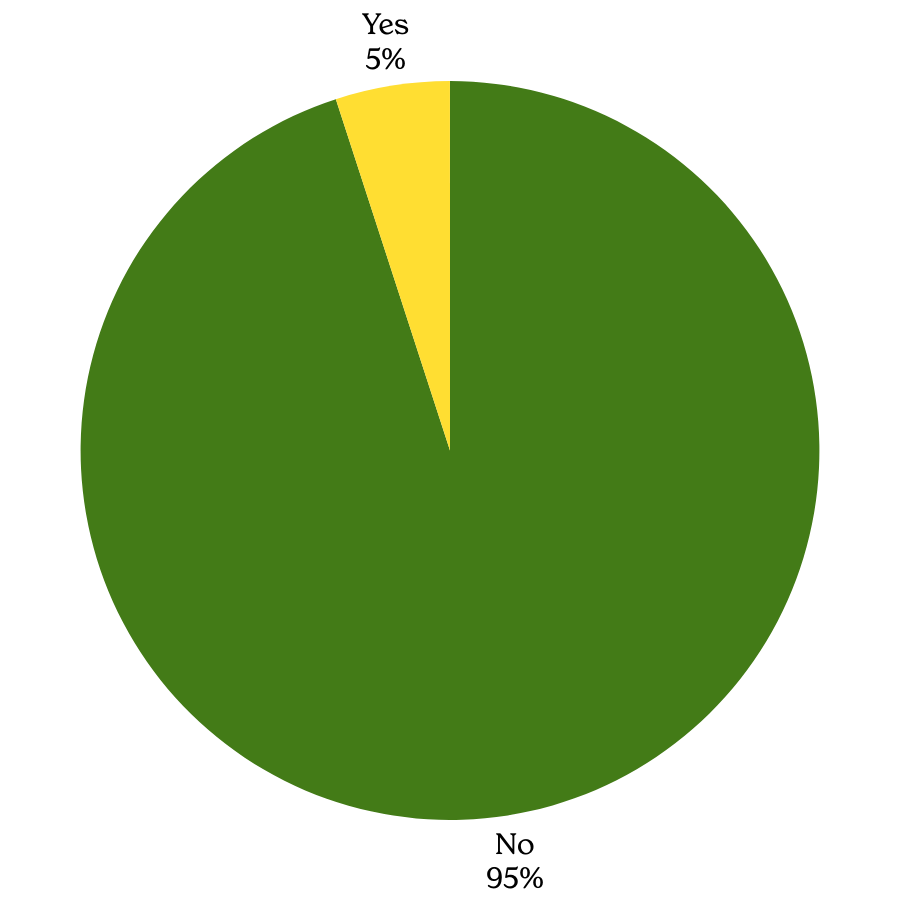
Endowments provide long-term financial stability by investing funds and using earnings to support ongoing operations. Fewer than 5% of Metro Atlanta arts nonprofits have an endowment, leaving most organizations without a durable financial cushion.
Taken together, staffing models, reserve levels, and the absence of long-term capital reveal a sector operating with limited financial and human buffers.
Many arts organizations rely on lean full-time teams, extensive contract labor, and short financial runways, leaving little margin to absorb disruptions, invest in staff, or plan beyond the near term.
Median Reported Staffing
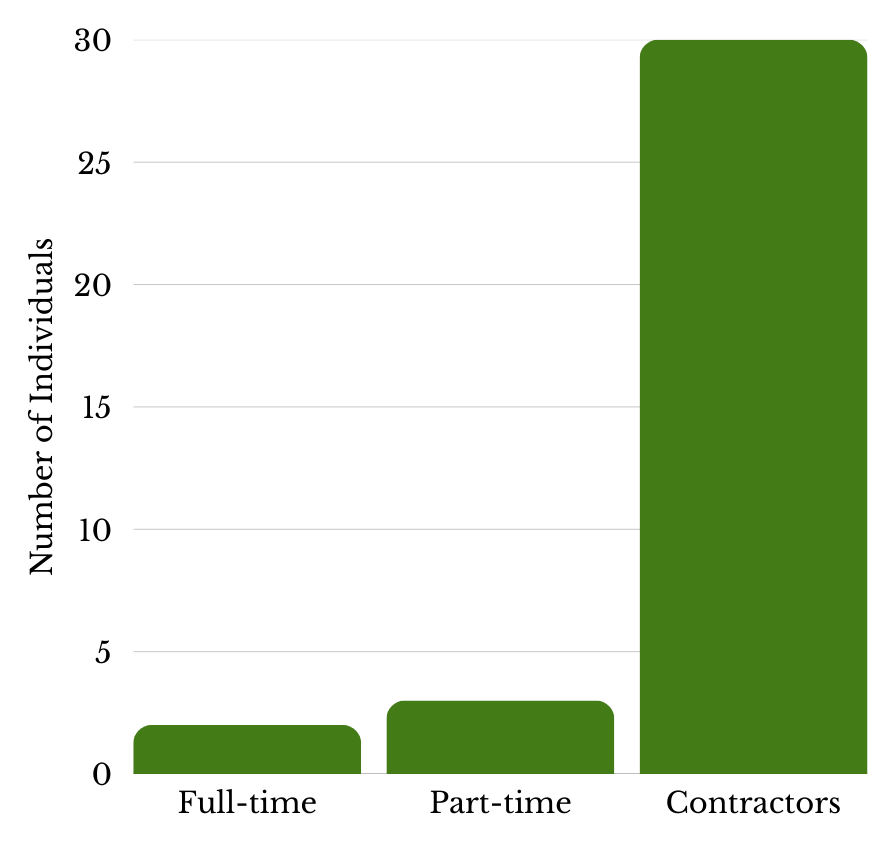
Most arts nonprofits operate with lean full-time teams supported by large networks of contract and freelance workers, reflecting a gig-heavy staffing model across the sector.
Federal Funding Shifts & Compounding Effects (2025)

In 2025, a significant number of Metro Atlanta arts nonprofits reported losing federal funding. These losses compound existing financial pressures for organizations already operating with limited reserves, lean staffing, and few long-term financial buffers.
General operating support was the most commonly reported type of federal funding lost. Unlike project-based grants, operating dollars support core functions such as staffing, rent, fundraising capacity, and compliance, making these losses particularly destabilizing for organizations with limited reserves and small administrative teams.
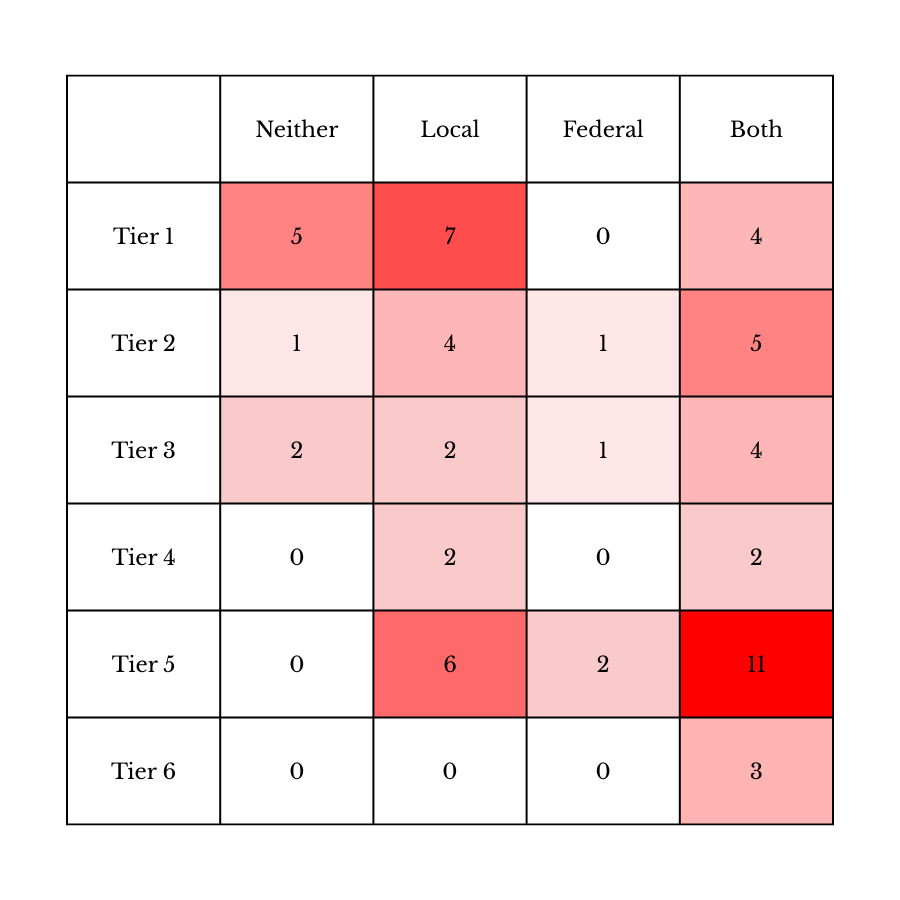
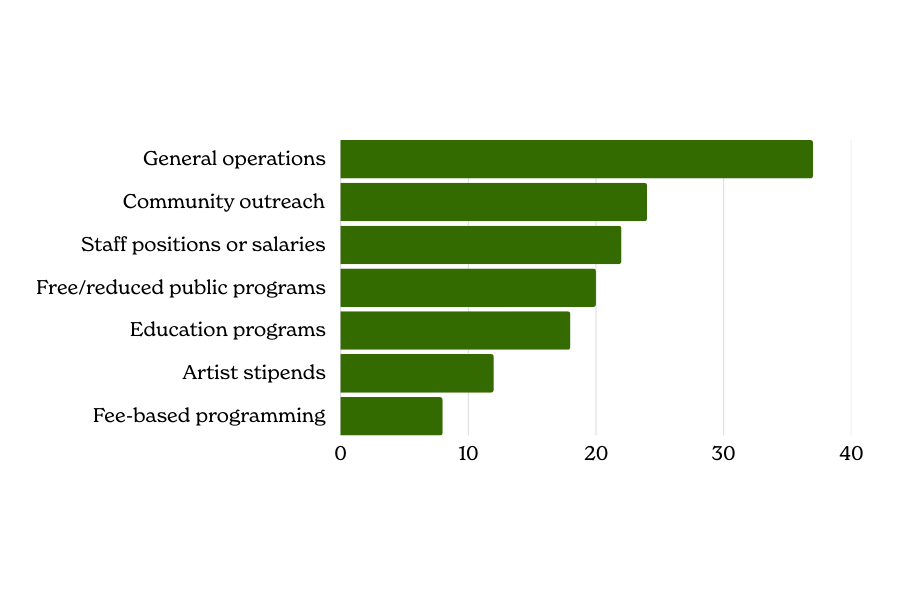
Smaller arts organizations were less likely to report losing federal funding—not because they were more stable, but because many were not receiving federal funding prior to 2025. Limited access to federal grants has historically excluded smaller organizations, leaving them structurally undercapitalized even before recent funding reductions.
This reveals a pattern: small orgs are often invisible in federal funding systems, so they experience precarity as a baseline rather than as a sudden loss.
Federal funding losses amplify long-standing inequities in access to flexible capital, reinforcing a system where organizations with the least cushion are least able to absorb shocks.
Implications & What This Means for the Future
Taken together, these findings point to an arts ecosystem that is both deeply impactful and structurally undercapitalized. Most Metro Atlanta arts organizations operate at small scale, within a public funding environment that ranks near the bottom nationally, and with limited access to flexible, recurring operating support. These upstream conditions shape downstream realities: short financial runways, lean staffing models, limited long-term capital, and heightened vulnerability to funding disruptions.
Importantly, the data shows that financial precarity is not correlated with organizational age, artistic discipline, leadership demographics, or geography. Instead, it reflects systemic constraints—particularly low public investment, concentrated resources, and funding mechanisms that do not align with the size or regional spread of the ecosystem. As a result, many organizations face persistent instability not because of how they are managed, but because of the environment in which they operate.
These patterns suggest that organization-by-organization solutions alone are insufficient. Strengthening the arts ecosystem will require coordinated, region-wide strategies that increase flexible capital, expand access across jurisdictions, and recognize the interdependence of organizations of different sizes and disciplines. Without addressing these structural conditions, individual gains will remain fragile, and the sector as a whole will continue to operate with limited margin for resilience or growth.
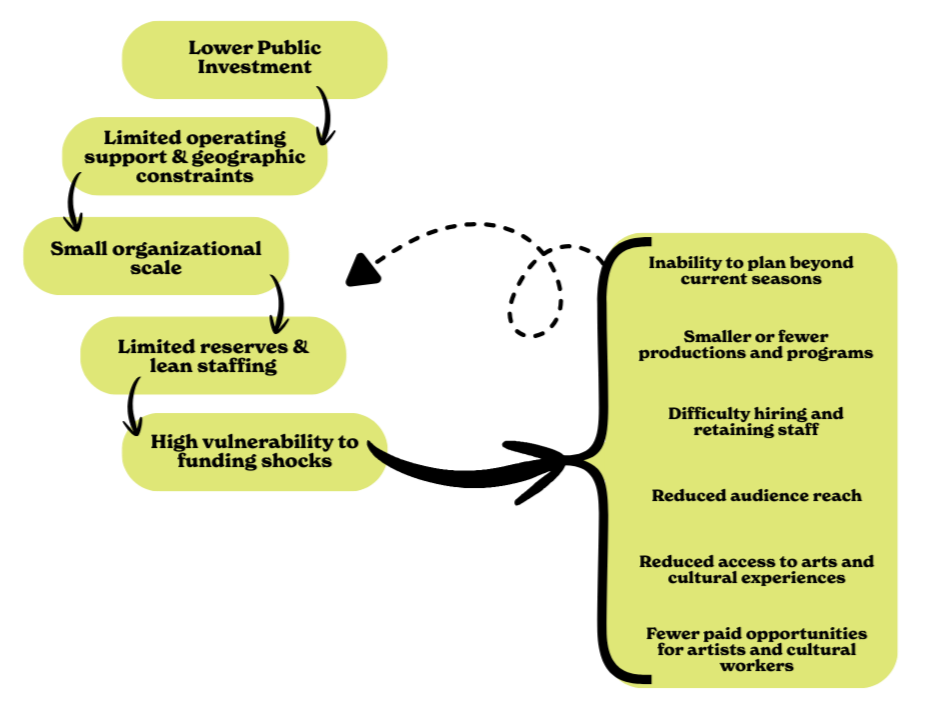
Financial precarity affects not only organizations, but also artists, audiences, and the communities that rely on consistent access to arts and cultural experiences.
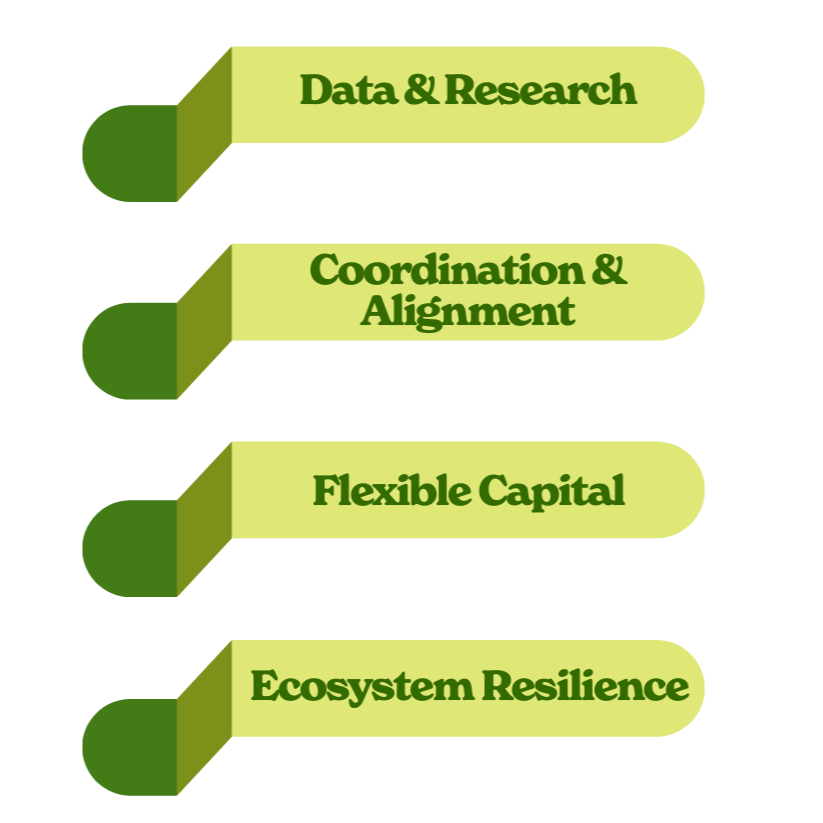
What Arts Capital | Atlanta is Designed to Do
Arts Capital | Atlanta translates ecosystem data into coordinated, region-wide action.
Arts Capital | Atlanta exists to address the structural gaps revealed by this data, particularly the mismatch between the scale of the arts ecosystem and the availability of flexible, accessible support. Rather than operating solely as a traditional grantmaker or advocacy organization, Arts Capital | Atlanta is designed as a regional intermediary that brings together data, coordination, and pooled investment to strengthen the ecosystem as a whole.
Our approach focuses on expanding access to flexible capital, especially for organizations that are small, geographically dispersed, or structurally excluded from existing funding streams. By aligning philanthropic, public, and community partners around shared data and common goals, Arts Capital | Atlanta seeks to reduce fragmentation, increase stability, and create pathways for long-term sustainability across disciplines and jurisdictions.
Importantly, Arts Capital | Atlanta’s work recognizes that organizational health is interconnected. Strengthening reserves, staffing capacity, and financial runway at the organizational level contributes to greater resilience at the ecosystem level, supporting artists, workers, audiences, and communities across the metro region. Our role is not to replace existing funders or systems, but to complement them by addressing gaps that no single institution or funding stream can solve alone.