Celebrating the Arts Through a Cultural Lens
June is National Caribbean American Heritage Month. It is celebrated every June in the United States to honor the rich history, vibrant culture, and massive contributions of Caribbean immigrants and their descendants.
About 4.5 million Americans trace their roots to the Caribbean subregion, which includes nations and territories like Cuba, the Dominican Republic, Haiti, Jamaica, Trinidad and Tobago, Guyana, Barbados, Puerto Rico, and the U.S. Virgin Islands.
Like many arts programs, the celebration has been impacted by DEI cuts and has not been officially recognized by the White House. This has affected the arts, especially the cultural arts scene. What are the arts without culture? Culture can be defined by ethnic background, neighborhood, or even by city or region.
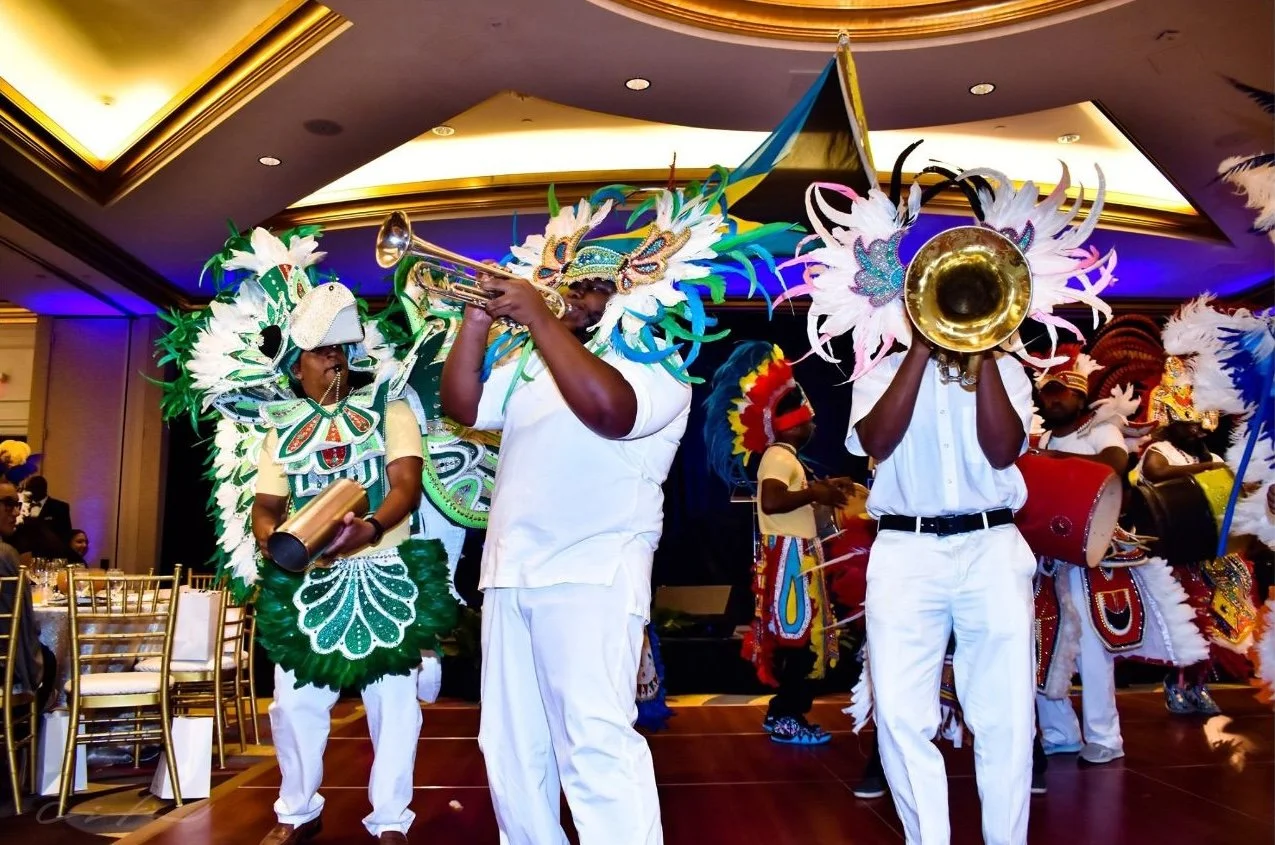
Photo courtesy of of the Caribbean American Cultural Arts Foundation.
The arts have played an important part in the rich heritage of the Caribbean American experience, through annual festivals (Carnival), exhibits, and youth programs. As the Chairman of the Caribbean American Cultural Arts Foundation, I have seen the importance of including cultural elements in our STEAM programs, which educate youth about the Caribbean and Latin America, by utilizing the arts and sciences to create a pathway for literacy and build interest in emerging career pathways.
As challenges persist in the arts sector, a well-funded arts ecosystem can support the sustainable growth of future global creative leaders and innovators. Providing educational opportunities for the next generation to participate in the arts fosters emotional intelligence and ignites a desire to influence industries that leverage art to connect with consumers and foster innovation for solving complex global issues.
A fully funded and sustained arts ecosystem ensures that youth from all backgrounds, regardless of zip code, income, age, or mobility, can explore the world, engage with diverse communities, and discover shared human experiences through art. This begins with supporting arts organizations, which foster self-esteem, courage, and empathy.
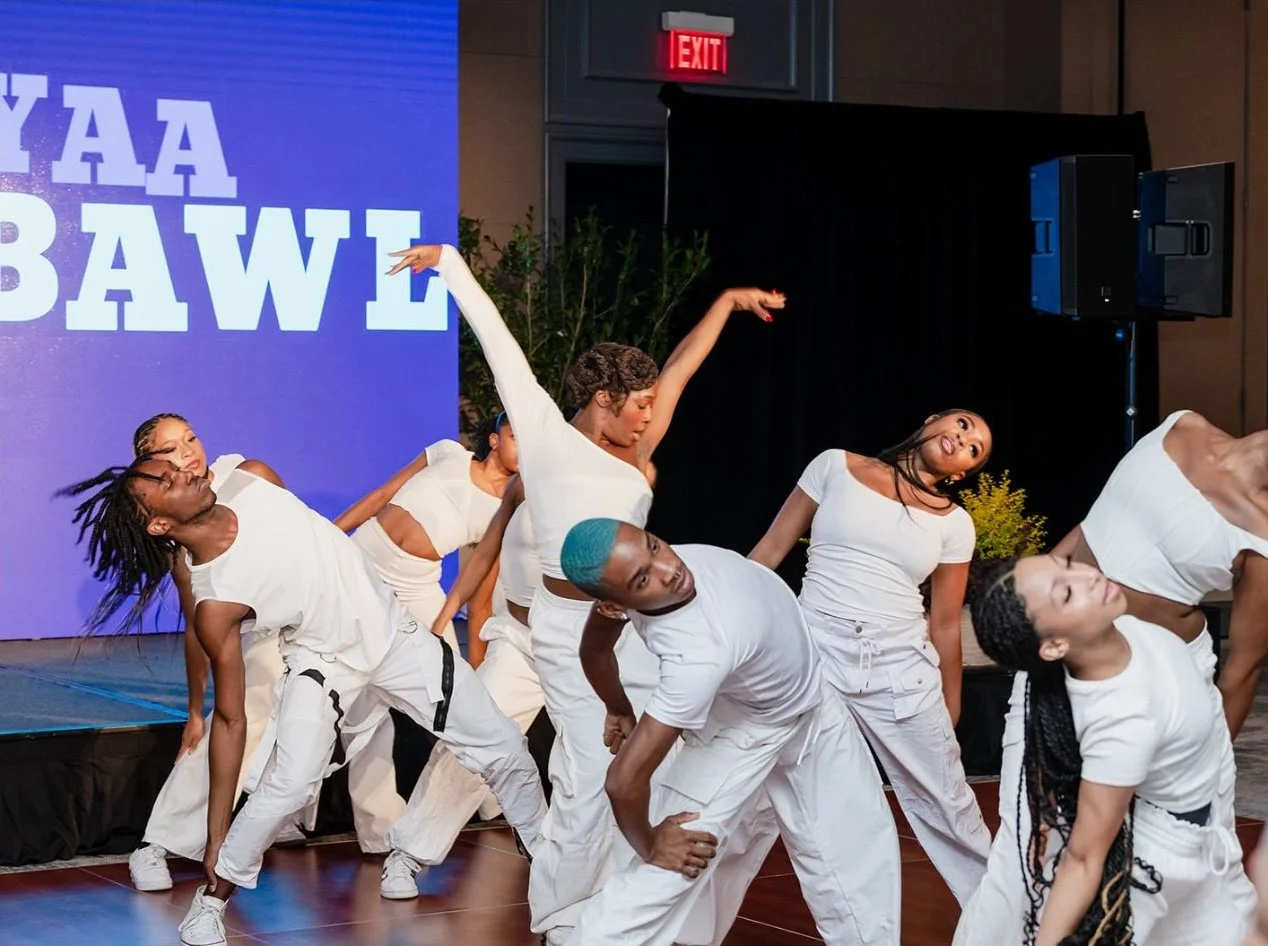
Photo courtesy of of the Caribbean American Cultural Arts Foundation.
A fully funded and sustained ecosystem for the Caribbean American Cultural Arts Foundation enables us to engage with a diverse community, employ more local artists, and develop sustainable funding streams. This allows for increased participation, cross-cultural exchange, and opportunities for the community to learn, grow, and thrive. Such an ecosystem could create a new future for the entire state, fostering new industries, building careers, and increasing funding opportunities for both metropolitan and rural areas.
Our staff can have the opportunity to build a stronger future in the Atlanta community instead of seeking alternatives out of state to grow their careers. The best scenario for our organization would be to expand programming for more youth and increase engagement with the larger community, as we include all cultures in every experience. We can envision a better future for our participants, stronger programs, and a more sustainable funding outlook.
Over the last twenty years, Atlanta has led in Music and Film, yet the city has the potential to become a global leader in all arts sectors, job creation, and innovation. The full potential remains unrealized mainly due to insufficient funding.
A fully funded arts ecosystem isn't just good cultural policy. It's also a smart policy for youth, health, and community.
Our goal is for everyone who moves to or lives in Georgia to make an impact in their industry, build community, and enjoy a quality of life that helps them grow.
We can only see success through solid investment in the culture…Culture of the Arts!