Atlanta is a Dance City
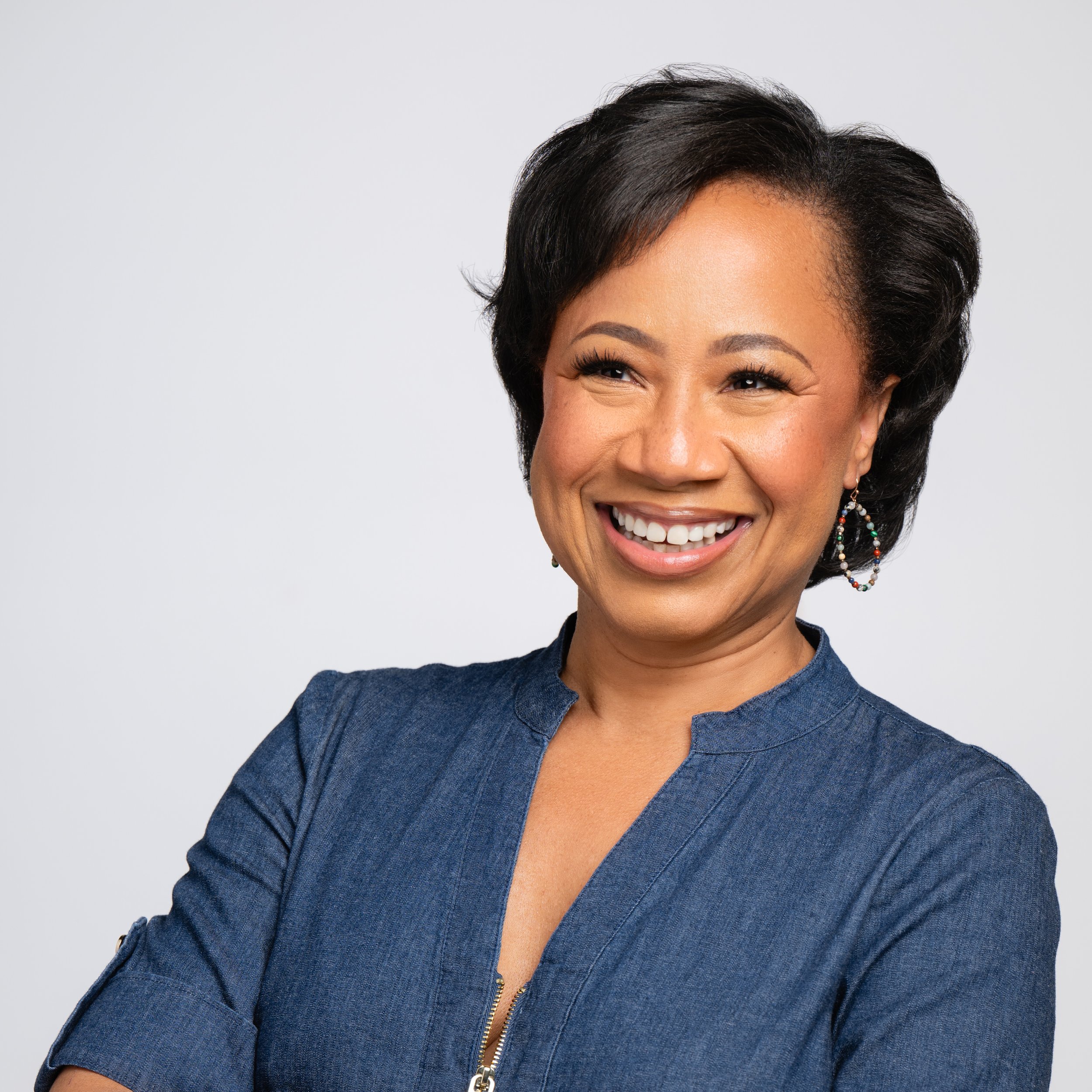
As an artist, choreographer, dance educator, and the Executive Artistic Director of Dance Canvas, I see the arts landscape from multiple perspectives: a dreamer imagining what’s possible, a builder working daily to create opportunities for those dreams to be realized, and a steward responsible for nurturing the next generation of dreamers.
“Atlanta is a Dance City!”
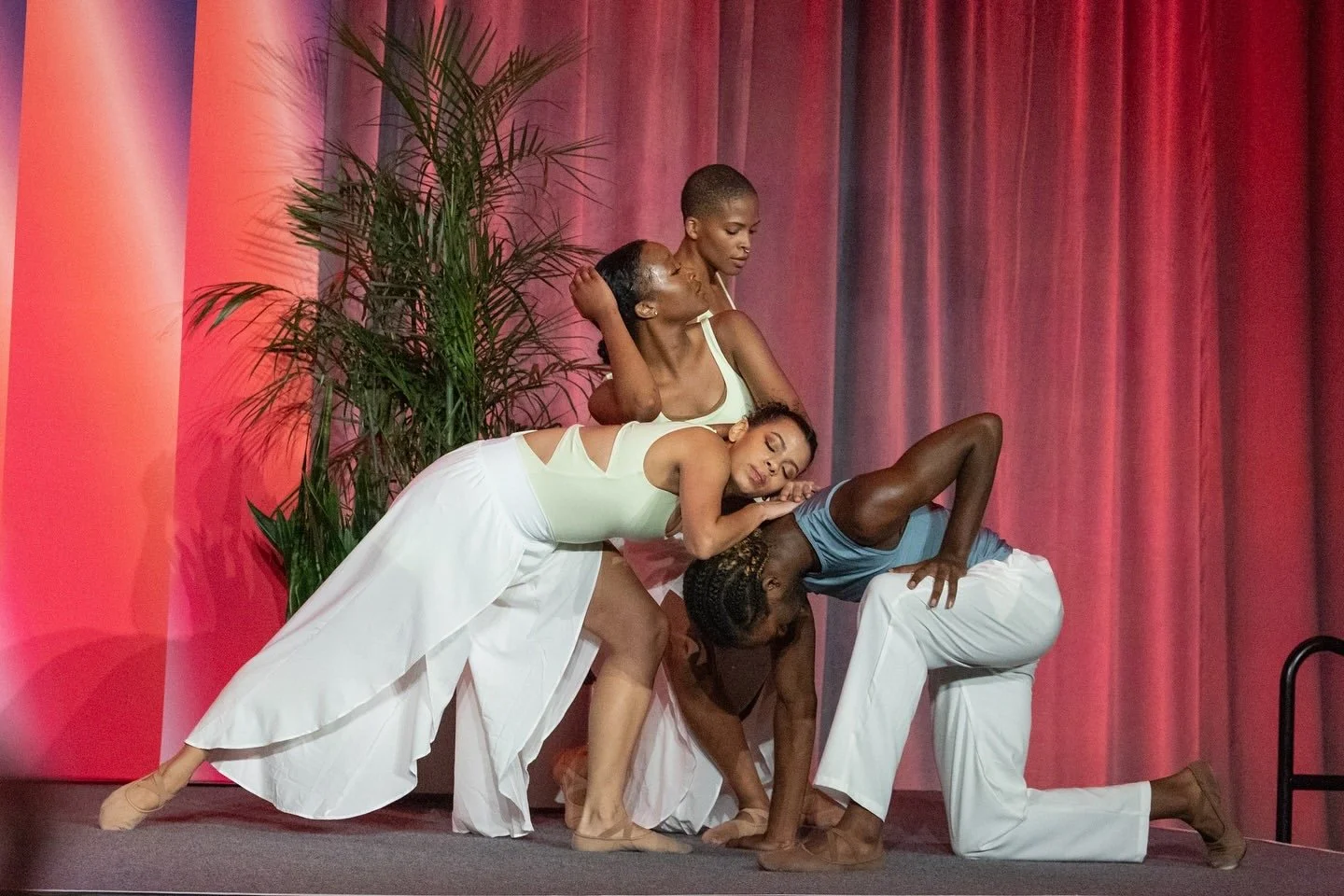
Photo by Shoccara Marcus; Courtesy of Dance Canvas, Inc.; 'The Strength We Share' - Choreography by Angela Harris; Dancers: Marley Carter, Eddison Tobey, Charray Helton, Amaya LaShaye, Kristen Cheney
My dream and mission are deeply steeped in those words, which I began saying as a mantra at every Dance Canvas event back in 2015. I remember vividly when I first began using the phrase, “Atlanta is a Dance City.” I was working in New York City for a few months on a Lab of a new show being workshopped for Broadway. (Note: A ‘theater lab’ acts as a testing ground for new plays, often with minimal scenic support to focus on acting and text.)
During a lunch break, I was having a conversation with a member of the show’s creative team, who said there wasn’t really any strong dance presence in the South and asked for my thoughts about Georgia’s dance scene. My response was, “Atlanta is a large dance city—it just doesn’t have the resources to sustain paying jobs. So people leave the city or the industry. But don’t sleep on Atlanta…Atlanta IS a dance city!”
I often say that I wouldn’t have been able to start and grow my company anywhere other than ATL. Dance Canvas was truly born out of this city, and that’s why I owe so much back to the Atlanta community. I founded Dance Canvas to invest in the entrepreneurial, artistic, and creative spirit of choreographers and to provide essential resources for career growth and sustainability. Like any profession, dance requires infrastructure. It requires jobs, commissions, rehearsal space, and pathways forward. Without those systems in place, even the most gifted artists are forced to leave—not because they lack ability, but because they lack opportunity. Unfortunately, the jobs, commissions, and venues for dance remain limited in our city.
My dream was, and still is, simple: I want Atlanta to be recognized nationally—and globally—not only for its music, film, and entrepreneurial spirit, but for its dance ecosystem. We are already home to extraordinary talent. Our dance artists are innovative, resilient, and deeply connected to the cultural fabric of this city. What we need is the infrastructure and investment to match the immense value the arts provide to our region.
I often imagine what a fully funded arts and dance community would look like here in Atlanta.
It would mean dancers and choreographers could earn sustainable, living wages from their craft. We would not have to choose between creating art for our community and maintaining financial stability. We would be able to dedicate the time and energy necessary to develop work that pushes boundaries, tells authentic stories, and reflects the complexity of our communities.
It would mean accessible rehearsal spaces across the city—places where artists could create without incurring unsustainable rental costs or facing displacement. It would mean healthcare, professional development, and mentorship pipelines that support artists not just at the beginning of their careers, but throughout their entire creative lives.
It would mean that every young person in Atlanta, regardless of zip code, would have access to arts education. They would grow up knowing that their creativity matters, that their voice has value, and that the arts are not a luxury—they are essential and intrinsic to everyday life.
A strong arts ecosystem is not only culturally vital; it is economically powerful. The arts create jobs. They attract tourism. They drive innovation. They contribute to the vibrancy that makes people want to live, work, and invest in a city. When audiences attend performances, they also dine in restaurants, pay for parking, support local businesses, and participate in the broader economy. The ripple effect is real and measurable.
In the past five years alone, Atlanta has welcomed two national dance conferences and one international dance conference, hosting thousands of visitors and generating millions in economic impact. And that is just from nonprofit and educational dance conferences. Each year, dance competitions, theater conferences, film festivals, art festivals, music festivals, and art fairs bring hundreds of thousands of visitors to our city. And you can’t have Dragon Con without admiring the artistry and creativity of the costumed attendees who parade down Peachtree Street. These events generate millions of dollars for our city. Now imagine if the arts community received even a small portion of the revenue generated by those arts-driven events. Imagine the impact that could have in sustaining our local artists, arts organizations, and creative community.
But beyond economics, the arts create belonging.
Dance creates empathy. It tells stories that words cannot. It brings people together across differences. It gives communities a sense of identity and pride. It reminds us that we belong to something larger than ourselves. We need that now more than ever!
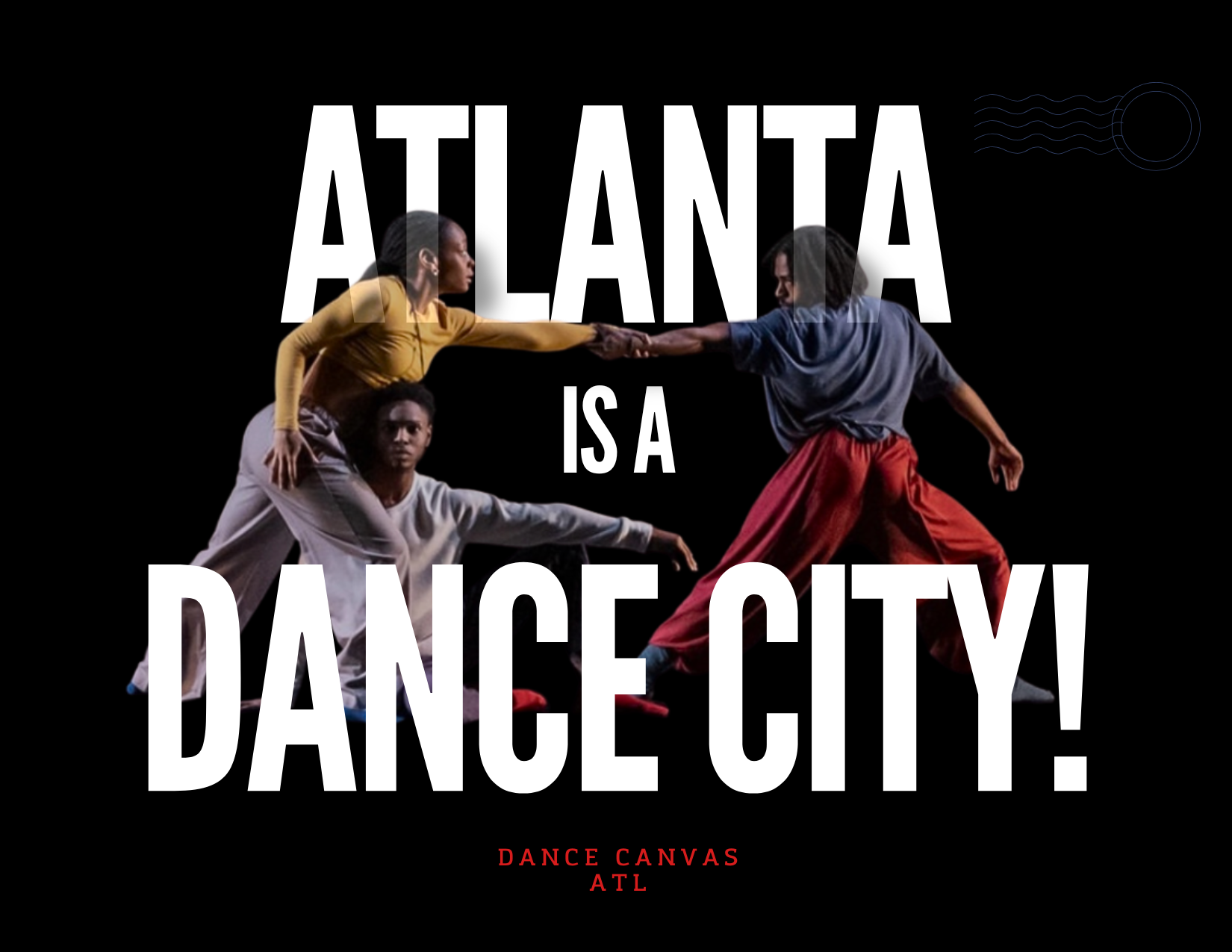
Photo by Richard Calmes; Courtesy of Dance Canvas, Inc.; 'Lucid Dream' - Choreography by Mamiko Usuda; Dancers: Billy Hawkains III, Ryann Leak, Samar Smith
Through my work with Dance Canvas, I have had the privilege of witnessing the next generation of choreographers grow their careers. I have seen the power of investing in artists and using dance as a vehicle for leadership, career success, and innovation. I have seen people come together through movement. This is why I remain committed to creating opportunities and advocating for the resources our artists deserve.
I believe deeply in Atlanta.
My dream is that one day, when people speak about the great dance cities of America, Atlanta will not be an afterthought. It will be a destination—a place where dancers come to build careers, where audiences come to be inspired, and where creativity is not only celebrated, but fully supported.
And in that reality, Atlanta would not just be a dance city—it would be recognized nationally as one.